AVES DE ASTURIAS
CARBONEROS
10-01-2016
ESPAÑOL
Estos días pude ver en el
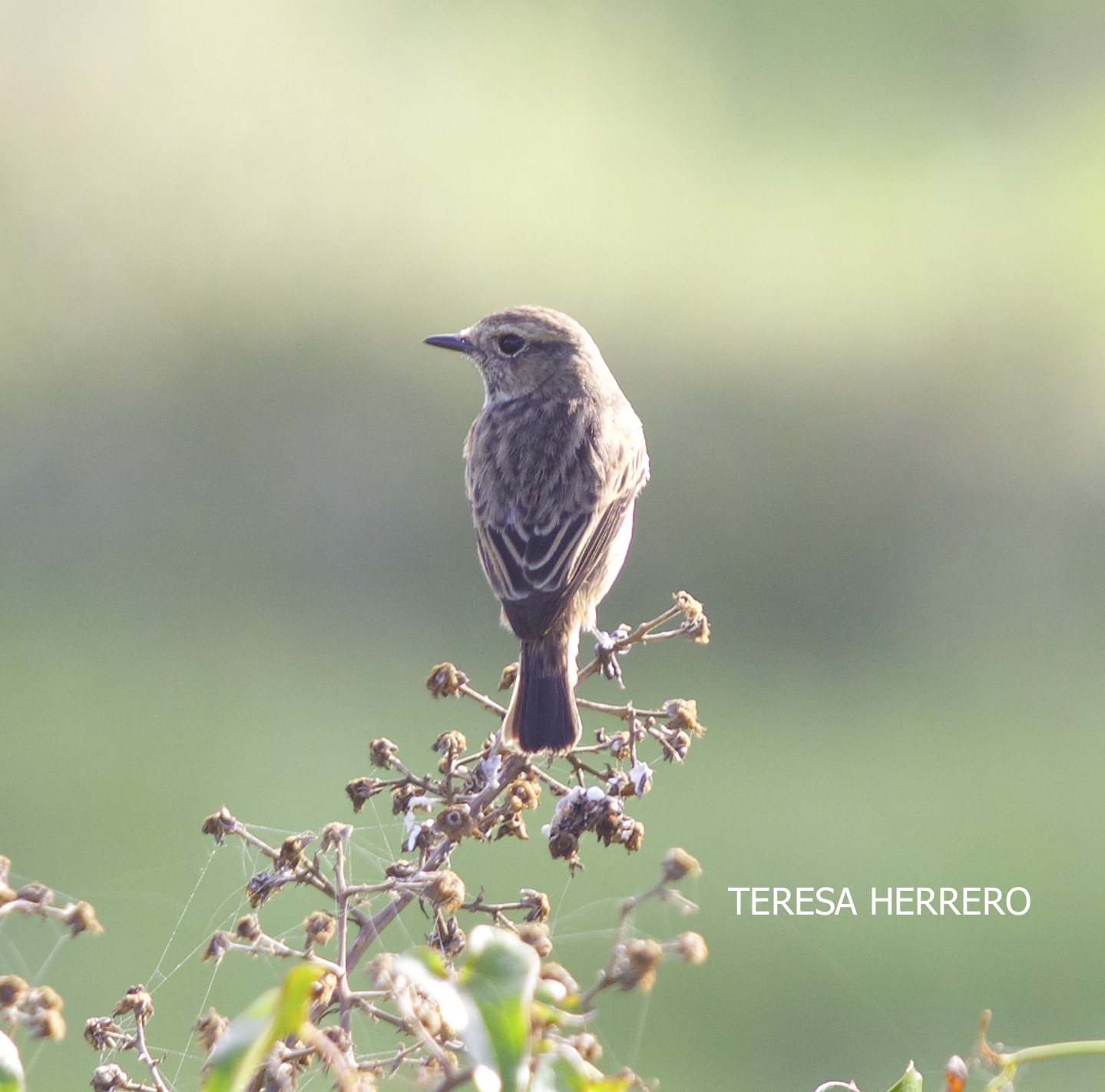
ecosistema dunar de Salinas (Asturias, España), carboneros comunes, que son
residentes habituales como los petirrojos, las tarabillas, las lavanderas y
otros.
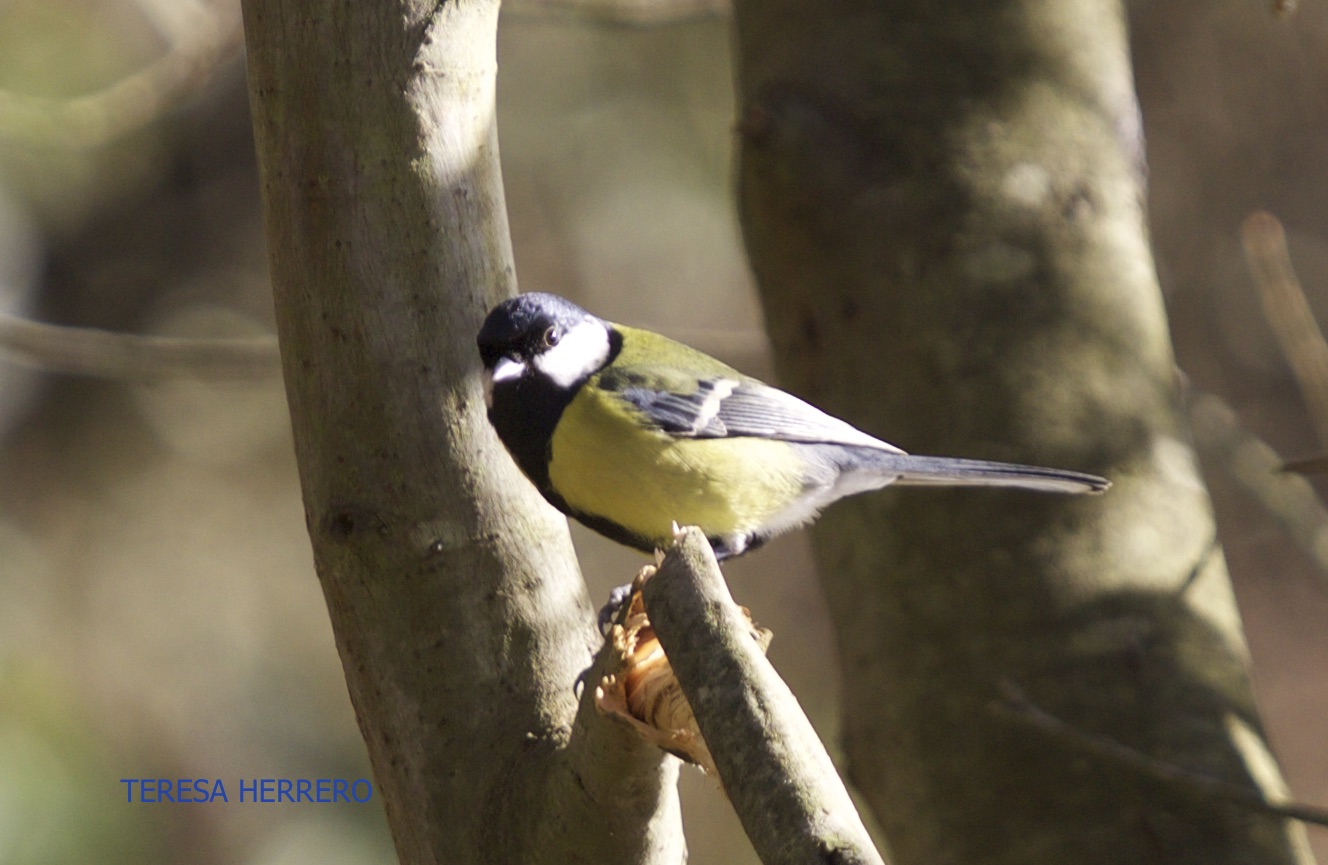
Pertenecen al orden de los passeriformes, familia paridae, especie parus major.
Habitan en toda España,
excepto Canarias, y es frecuente verlos en parques, jardines y zonas arboladas.
Son muy vistosos por su
cabeza negra, el color verdoso del dorso, el azulado de las alas y el amarillo
intenso del pecho y abdomen. Una característica que distingue al carbonero
común de otros carboneros es la banda negra, a modo de corbata, que recorre el
pecho y el vientre, más ancha en los machos y más estrecha en las hembras.
Estos que aquí os muestro
fueron fotografiados en primavera, cuando criaban a sus polluelos, y en otoño.
Si os fijáis podéis distinguir al macho de la hembra.
Bibliografía consultada:
Página web de la “Sociedad Española de Ornitología
(SEO/ BirdLife)
“Guía de campo de las
aves de España y de Europa”, Ediciones Omega
BIRDS IN ASTURIAS
Great Tit
ENGLISH
These
days I have seen great tits in the dune ecosystem in Salinas (Asturias,
España). They are regular residents like robins, common stonechats, White
wagtails and others.
They
belong to passeriformes order, paridae family, parus major species.
They
live in all of Spain, except Canary Islands, and they are often seen in parks,
gardens and wooded areas.
They
are attractive because of their colours, black head, green back, blue wings and
their bright yelow chest and belly. A feature that distinguishes them from
others members of the family is the black line, like a tie, crossing down their
chest and belly. This line is wider in the males and narrower in the females.
These
ones I show you in this report were photographed in last spring, when they were
feeding their nestlings, and in autumn.
Consulted bibliography:
Web page of “Sociedad Española de Ornitología (SEO/
BirdLife)
“Guía de campo de las
aves de España y de Europa”, Ediciones Omega