jueves, 3 de diciembre de 2015

ÁNADE AZULÓN O ÁNADE REAL / MALLARDS


AVES DE ASTURIAS

ÁNADE  AZULÓN O ÁNADE REAL

ESPAÑOL

Empieza a incrementarse el número de ánades azulones en el humedal de Salinas. Su número alcanzará el máximo entre diciembre y enero con los migrantes procedentes del norte de Europa.

En la Península Ibérica hay una densa población que son residentes habituales y no migran.

En esta tarde soleada de noviembre estaban especialmente activos, batiendo las alas, chapoteando en el agua y nadando en parejas, recordando la época prenupcial, aunque es todavía  un poco pronto para ello.

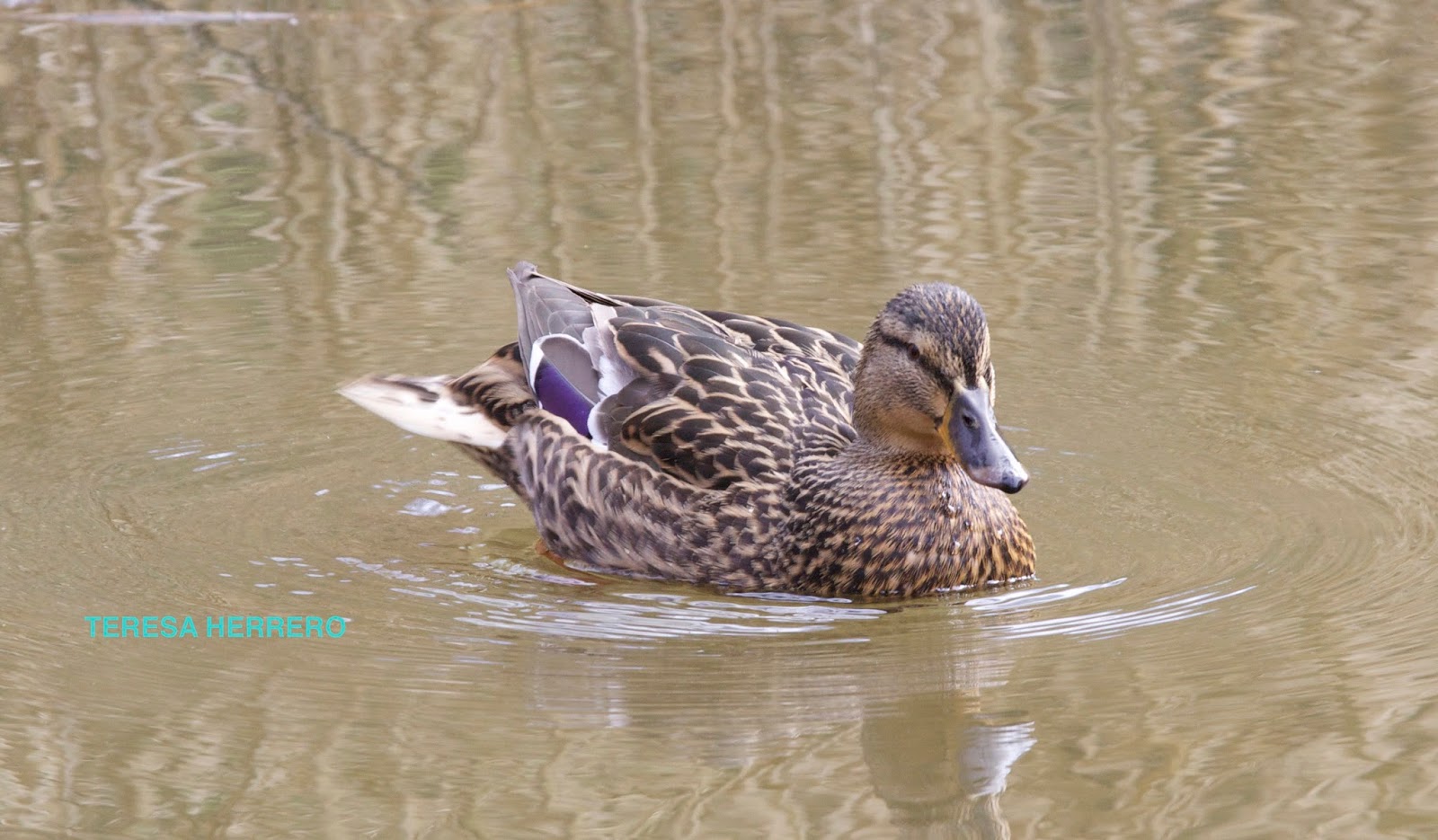
Como podéis ver en el reportaje, los machos son los más vistosos y coloristas, las hembras son parduzcas, aunque también tienen el espejuelo azul violáceo de las alas.

Pertenecen al orden de los anseriformes, familia anatidae, especie anas platyrhinchos.

Bibliografía consultada:
 Página web de la “Sociedad Española de Ornitología (SEO/ BirdLife)
“Guía de campo de las aves de España y de Europa”, Ediciones Omega


BIRDS IN ASTURIAS

MALLARDS

ENGLISH

It begins to increase the mallards population in the wetland in Salinas.
Their number will reach the top in December and January with the migrants coming from north of Europe.

In the Iberian Peninsula there is a dense population that is resident, they don’t migrate.

In this sunny afternoon of November they were specially active, beating their wings, splashing the water and swimming in pairs, reminding me the prenuptial time, although it is early for that.

As you can see in this report, males are the most colourful and attractive, females are light brown, even they also have a purple blue band in the wings.

They belong to anseriformes order, anatidae family, anas platyrhinchos species.


Consulted bibliography:
 Web page of  “Sociedad Española de Ornitología (SEO/ BirdLife)
“Guía de campo de las aves de España y de Europa”, Ediciones Omega

Macho / Male

Hembra / Female


sábado, 21 de noviembre de 2015

REYEZUELO LISTADO / FIRECREST

AVES DE ASTURIAS

REYEZUELO LISTADO

ESPAÑOL

El reyezuelo listado pertenece a la misma familia que el reyezuelo sencillo.
Ambos tienen la misma morfología, la única diferencia es que el reyezuelo listado tiene una raya negra sobre el ojo y una blanca a modo de ceja.
Podéis comparar ambos ejemplares cotejando las fotos de este reportaje con el anterior.
Estas imágenes han sido tomadas en noviembre de 2015 en Salinas, Asturias, España.

Bibliografía consultada:
 Página web de la “Sociedad Española de Ornitología (SEO/ BirdLife)
“Guía de campo de las aves de España y de Europa”, Ediciones Omega


BIRDS IN ASTURIAS

FIRECREST

ENGLISH

Firecrests belong to the same family as goldcrests.
Both of them have got the same morphology, the only difference is that firecrests have a white line over their eyes and a black one crossing them.
You can compare them watching the pictures of this report and the previous one.
These photos have been taken in November 2015 in Salinas, Asturias (Spain).
Consulted bibliography:
 Web page of  “Sociedad Española de Ornitología (SEO/ BirdLife)
“Guía de campo de las aves de España y de Europa”, Ediciones Omega


jueves, 12 de noviembre de 2015

REYEZUELO SENCILLO / GOLDCREST


AVES DE ASTURIAS

REYEZUELO SENCILLO

ESPAÑOL

Paseando por el pinar me encontré esta agradable sorpresa, un reyezuelo sencillo se movía activamente por las ramas de un pequeño pino. Su concentración picoteando insectos y arañas me permitió sacar estas fotografías, parecía no importarle que yo estuviera allí.

Pertenece al orden de los paseriformes, familia sylviidae y especie Regulus regulus.
Es muy pequeño, unos 9 cm.

Se distribuye por toda la Península Ibérica y Canarias.
Sus lugares preferidos son los bosques de coníferas y abetos.

En la época de cría, de mayo a junio, se concentra en las montañas del norte.
El nido es un cuenco de musgos y líquenes tapizado de plumas.

En otoño e invierno se desplazan hacia el sur buscando lugares más templados, pero este año el otoño en el norte es especialmente cálido, lo que me ha permitido fotografiar estos ejemplares en el pinar de Salinas, en Asturias (España), en pleno mes de noviembre.

Bibliografía consultada:
 Página web de la “Sociedad Española de Ornitología (SEO/ BirdLife)
“Guía de campo de las aves de España y de Europa”, Ediciones Omega


BIRDS IN ASTURIAS

GOLDCREST

ENGLISH

Having a walk through the pine forest I found this pleasant surprise, a Goldcrest was moving actively from branch to branch in a short pine tree.
Its concentration while pecking insects and spiders allowed me to take these photos. It seemed it didn’t care about my presence.

Goldcrests belong to passeriformes order, sylviidae family and regulus regulus species.
It is a very small bird, 9 cm.

They live in all the Iberian Peninsula and Canary Islands.
Their favourite places are pine Woods and fir trees.

During  breeding  season, May to June, they are concentrated in the northern mountains.
The nest is a bowl of moss and lichen covered by feathers.

In autumn and winter they move to warmer places in the south, but this autumn is coming especially hot in the north, which allowed me to take photos of this specimen in November in Salinas, Asturias (Spain).
Consulted bibliography:
 Web page of  “Sociedad Española de Ornitología (SEO/ BirdLife)
“Guía de campo de las aves de España y de Europa”, Ediciones Omega